
TaxBird - Residency Tracker
ware2nowFinance
4.026.00 Reviews
- Version
- 2.8.3
- Installs
- 10.00K
- Age Rating
- Everyone
Screenshots
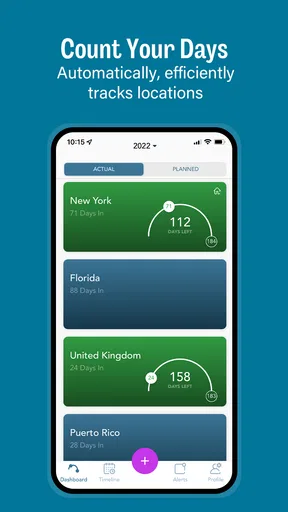
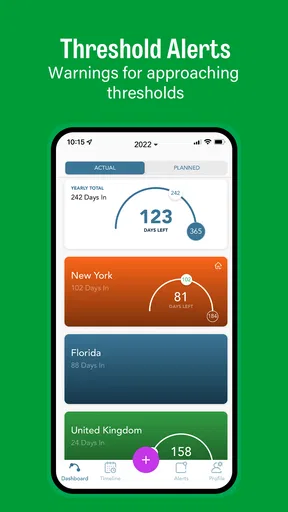
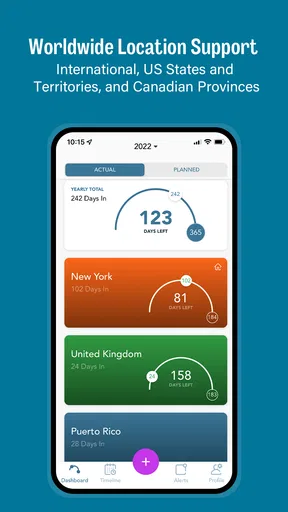
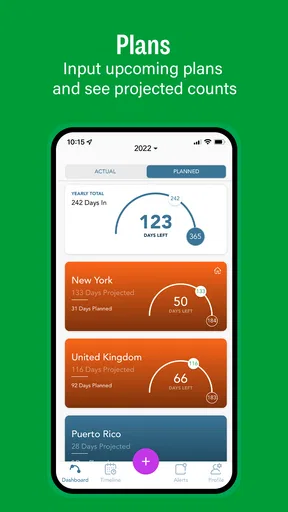
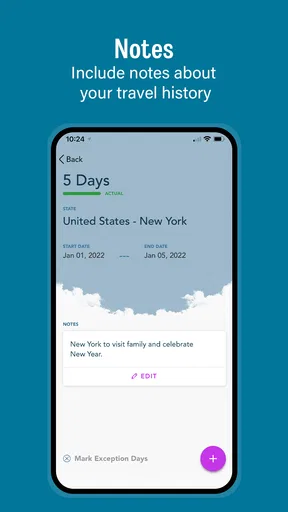
Our Review of TaxBird - Residency Tracker
 Analysis by Appyee
I find a residency-day tracker most useful when it answers a practical question: how can I keep a dependable record of where I spent my time without turning every trip into a paperwork project? TaxBird - Residency Tracker is aimed at that narrow but important job. It is a free finance app from ware2now, with a 4.0 average from just over a hundred ratings and more than ten thousand installs. It is rated for everyone, and its focus is counting days across countries, US states, and Canadian provinces.
That focus matters more than a long feature list. If you divide the year between homes, travel for work, or need to keep an eye on state-day totals, a location record can be easier to maintain than reconstructing months of movement from memory. I would treat TaxBird as a practical organizer, though, not as a tax adviser: a day count is useful evidence, but it does not by itself settle every question about residency.
Choose it for the record you need
Before installing any residency tracker, I would ask what decision the record needs to support. Someone taking occasional holidays may be fine with a calendar and boarding passes. A person who moves between several jurisdictions may need a consistent day-by-day view, especially when the year gets busy and small trips are easy to forget. TaxBird is most relevant to that second group, because its central purpose is tracking time across locations rather than managing money or preparing a return.
There is also a useful distinction between remembering where you went and keeping a record you can review later. A notebook can work, but it depends on remembering to update it. A general calendar can capture travel plans, but plans and actual stays are not always the same. A dedicated tracker is appealing when you want the location count to be the organizing principle. I would still keep travel documents or other records that matter to your situation; an app’s timeline should not be your only source of truth.
Where day counting earns its place
TaxBird is designed to help me keep track of days in different locations, which is valuable when a threshold or residency rule makes the calendar more than a diary. Imagine splitting a year between a primary home, a seasonal place, and several work trips. A quick glance at a location-based record can make it easier to notice that one destination is taking up more of the year than expected. That is a useful prompt to check your plans and, when needed, ask a qualified tax professional what the count means for you.
The app is a free download, but it also offers in-app purchases ranging from $1.49 to $39.99 per item. I would check the current purchase details before relying on any paid option, and decide whether its value fits the way you travel. The current version is 2.8.3, and the minimum operating-system requirement is version 11. Those details make it sensible to check device compatibility first, rather than building a routine around an app your phone cannot run.
Where it can beat a general calendar
As a residency tracker, TaxBird has a more specific purpose than a normal calendar. The advantage is not that calendars are useless; it is that a calendar usually records appointments and plans, while a day-counting workflow is about reviewing how time falls across places. For a person who needs to compare a state total with a personal limit, that framing can be more direct than scanning a year of event entries one by one.
My practical tip would be to review the record while a trip is still fresh. If you cross a border, change accommodation, or add an unplanned stop, make a quick check rather than assuming the original itinerary tells the full story. That small habit can reduce the end-of-year detective work that makes any record-keeping method frustrating. It also helps you spot a missing or surprising location entry early, when you still have receipts, confirmations, and messages nearby.
When another approach makes more sense
TaxBird will not suit everyone who travels. If you take only a few trips and have no reason to track jurisdiction-specific days, a paper log or ordinary calendar may be simpler and easier to inspect. If your main need is tax calculations, filing, or advice about whether a particular pattern establishes residency, a tax preparation service or a qualified professional is the better tool. Day tracking can support those conversations, but it cannot replace them.
There is a trade-off in relying on location-based records: convenience depends on having a record you trust. I would not assume that an automatically collected history is perfect in every unusual situation, such as a day spent in transit or a change of plans. The sensible approach is to check entries against your own itinerary and keep supporting documents for consequential trips. This is a little extra work, but it is preferable to treating an unexplained count as definitive.
Make the change without losing your old records
Switching from a spreadsheet or notebook is less about learning a complicated system than deciding what history you need to preserve. Before changing routines, I would keep a copy of any existing travel log and note how its dates were counted. Then start using one consistent method going forward, rather than trying to reconcile two imperfect timelines only at tax time. If you already maintain a calendar, it can still serve as a useful cross-check even when the tracker becomes your main day-count view.
A realistic routine might be to check the app after returning from a trip, compare the dates with the itinerary, and add any missing context to a separate record if you need it. That is especially helpful for travelers whose plans change midweek or who make frequent short visits. The point is not to create more administration; it is to catch discrepancies while they are easy to resolve. I would also avoid assuming that a day count alone captures every residency factor relevant to a particular jurisdiction.
Who is likely to get the most from it?
I would recommend considering TaxBird if you divide your time among US states, Canadian provinces, or international locations and want a dedicated way to follow those days. It is a closer fit for snowbirds, people with more than one home, and frequent work travelers than for someone who only needs a holiday album. The app’s specific strength is its residency-counting purpose; it is not a general travel planner, budgeting tool, or substitute for tax guidance.
For a cautious first step, install it only if your device meets the operating-system requirement, then decide what record you want to keep and how often you will review it. The free entry point makes that evaluation straightforward, while the optional purchases mean it is worth checking which capabilities are included before paying. If your only question is whether you are legally resident somewhere, do not rely on an app alone: use the day record to organize the facts, then confirm the rules that apply to your circumstances.
So, I recently got my hands on this nifty app called TaxBird - Residency Tracker, and let me tell you, it’s quite the game changer for anyone juggling multiple residencies or frequently traveling. If you’re like me and trying to keep track of where you spend your days for tax purposes, this app might just become your new best friend.
What’s the Buzz About?
TaxBird is designed to help you keep tabs on how many days you spend in different locations, which is crucial for tax residency status. You know how it is—one day you’re in New York, the next in Florida, and suddenly you’re not sure which tax laws apply to you. This app is here to sort that out.
Getting Started
First things first, downloading and setting up TaxBird is a breeze. Available on both Android and iOS, it syncs seamlessly with your phone’s location services. Once installed, you simply allow it to access your location, and voilà, you’re ready to roll. The app starts tracking your whereabouts automatically, so you don’t have to manually input your location every day. Talk about convenience!
The User Experience
The interface is super intuitive. Everything is laid out clearly, and the app’s dashboard gives you a neat overview of your location data. You can see a calendar view of where you’ve been, and it even breaks down the data by states, which is incredibly helpful if you’re trying to stay under a certain threshold of days in a high-tax state.
One feature I particularly love is the alerts. You can set them up to notify you when you’re nearing your limit in a specific state. This is a lifesaver for those of us who aren’t great at remembering these things.
Under the Hood
TaxBird isn’t just about tracking; it’s about making sense of the data. The app provides reports that you can download and share with your accountant. These reports are straightforward and easy to understand, which is a big plus for those of us who don’t speak fluent tax jargon.
Another cool feature is the integration with your calendar. You can sync it to cross-reference your trips, ensuring all your data aligns perfectly. It’s one less thing to worry about when tax season rolls around.
Privacy Concerns
Now, I know what you’re thinking—what about privacy? The app requires location access, but they’re pretty upfront about how they handle your data. According to their policies, your location history is private and only used for tracking purposes. It’s always good to double-check these things, but from what I’ve seen, they seem to have a solid privacy policy in place.
Final Thoughts
All in all, this residency tracker is a must-have for anyone who needs to monitor their residency days for tax purposes. It’s user-friendly, efficient, and makes a tedious task almost enjoyable. Whether you’re a digital nomad, a snowbird, or just someone who travels a lot, this app could save you a headache or two come tax time.
So, if you’re looking to keep your tax residency status in check without losing your sanity, give TaxBird a try. Who knew tax tracking could be this easy?
Verdict
Strengths of TaxBird - Residency Tracker
- Easy-to-use interface for tracking residency days.
- Automatic location tracking with GPS precision.
- Customizable alerts for tax residency thresholds.
- Detailed reports for tax filing convenience.
- Cross-platform sync ensures data consistency.
Limitations of TaxBird - Residency Tracker
- Requires continuous GPS access, draining battery.
- Limited customization for specific tax rules.
- Premium features locked behind a paywall.
- No offline mode; needs constant internet.
- Support response can be slow at times.
Similar Picks in This Category
View All
Google Wallet
Google LLC4.3

Airtel: Recharge, Bank & Loans
Airtel4.0

PayPal - Pay, Send, Save
PayPal Mobile4.2

DANA Indonesia Digital Wallet
PT Espay Debit Indonesia Koe4.5

Binance: Buy Bitcoin & Crypto
Binance Inc.4.8

Cash App
Block, Inc.4.7
Frequently Asked Questions
What is TaxBird and how does it work?
TaxBird is a residency tracker designed to help users maintain accurate records of their time spent in different states or countries for tax purposes. The app uses GPS technology to automatically log locations and provide insights into your residency status. It's particularly useful for individuals with multiple residences or frequent travelers.
Is TaxBird secure and private?
Yes, TaxBird prioritizes user privacy and data security. The app uses encrypted connections to protect your location data and personal information. It does not share your data with third parties without your consent, ensuring that your residency details remain confidential and secure.
How does TaxBird help with tax compliance?
TaxBird assists with tax compliance by providing an accurate record of your location history, which is crucial for determining state residency and tax obligations. The app generates detailed reports that can be used to support tax filings and audits, helping users avoid penalties and fines related to incorrect residency claims.
Can TaxBird be used internationally?
Yes, TaxBird can be used internationally, making it ideal for global travelers needing to track residency for tax purposes in multiple countries. The app logs international travels and provides insights into your residency status based on the number of days spent in each location, supporting compliance with various tax jurisdictions.
What devices are compatible with TaxBird?
TaxBird is available for both Android and iOS devices. Users can download the app from the Google Play Store or Apple App Store. It requires a smartphone with GPS capabilities to accurately track your location and provide real-time residency updates, ensuring compatibility with most modern devices.
